
Electric wall heaters come in various shapes and sizes and can be a great way to heat a room without spending much money. But, with so many different types of electric wall heaters on the market, it can be tricky to figure out which one is right for you.
This post will look at some of the most common types of electric wall heaters and explain what makes them unique. We will also explore some of the essential factors you must consider before purchasing an electric wall heater.
So, whether you’re looking for your first electric wall heater or just curious about what’s out there, keep reading to learn more. This is a sneak peek of these heaters.
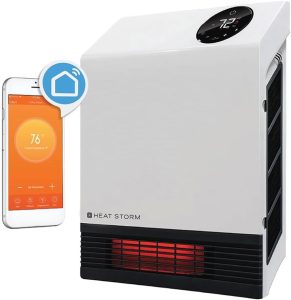
Heat Storm HS-1000-WX-WIFI Infrared Wall Heater
- 1,000W infrared heater with Wi-Fi control
- Wall mounting keeps the floor clear
- Digital thermostat and remote control
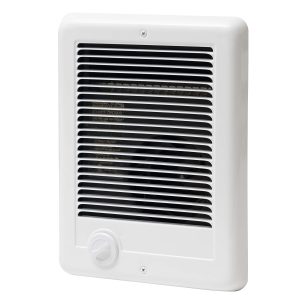
Cadet Com-Pak CSC151TW Electric Wall Heater
- 1,500W, 120V hardwired wall heater
- Recessed installation with wall can and white grille
- Built-in thermostat and high-temperature cutoff
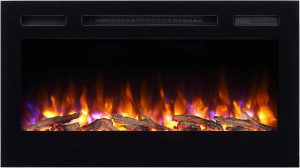
PuraFlame Alice 36-Inch EF275A Electric Fireplace
- Recessed installation; not a surface-mounted heater
- 750W and 1,500W supplemental heat settings
- Flame display can operate without heat
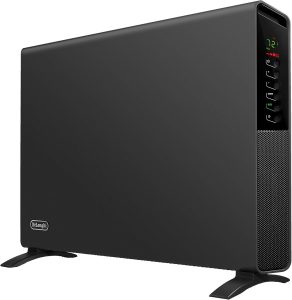
DeLonghi HCX9115E-6A AG Convection Panel Heater
- 1,500W maximum output with digital thermostat
- Freestanding or wall-mounted installation
- ECO mode, timer and optional fan-assisted heating
The Best Types of Electric Wall Heaters: Our Top Picks

1. Heat Storm Infrared Wall Heater
The Heat Storm HS-1000-WX-WIFI is a 1,000W infrared wall heater with Wi-Fi control, a digital thermostat and a remote. Wall mounting frees up floor space, making it an option for adding heat to a room without a freestanding heater.
Heat Storm HS-1000-WX-WIFI Infrared Wall Heater
- 1,000W infrared heater with Wi-Fi control
- Wall mounting keeps the floor clear
- Digital thermostat and remote control
Its suitability as a primary or supplemental heater depends on room size, insulation and heat loss. Despite the safe-touch grille description, the manual warns that the heater gets hot: follow its clearances and keep combustible materials away.
Pros
- Wall-mounted design
- Wi-Fi and remote controls
- Adjustable digital thermostat
Cons
- Requires a suitable mounting position and outlet; room coverage varies with insulation
2. Cadet Electric Wall Heater
The Cadet Com-Pak CSC151TW is a 1,500W, 120V fan-forced wall heater with a built-in thermostat and high-temperature safety cutoff. It is a permanent hardwired heater, not a portable plug-in model.
Cadet Com-Pak CSC151TW Electric Wall Heater
- 1,500W, 120V hardwired wall heater
- Recessed installation with wall can and white grille
- Built-in thermostat and high-temperature cutoff
This white complete unit includes the heater, wall can and grille for recessed installation. Confirm the circuit, wall opening and manufacturer clearances before installation; do not assume a 240V supply is suitable for this 120V model.
Read: Water heater pressure relief valve stuck open
Pros
- Recessed design saves floor space
- Built-in thermostat
- Heater, wall can and grille included
Cons
- Requires hardwiring and a suitable wall opening
3. PuraFlame Electric Wall Heater
The PuraFlame Alice 36-inch EF275A combines a flame display with supplemental electric heat. This is the 36-inch version, with log and crystal fuel-bed options; choose the size that fits your planned wall opening.
PuraFlame Alice 36-Inch EF275A Electric Fireplace
- Recessed installation; not a surface-mounted heater
- 750W and 1,500W supplemental heat settings
- Flame display can operate without heat
The Alice is designed for recessed installation in a suitable 2×6-stud wall, not surface wall mounting or freestanding use. It provides 750W or 1,500W heat on a 120V supply, and the flame display can operate without heat. Follow the manual for the exact opening, clearances and electrical connection rather than treating it as a simple hang-on-wall appliance.
Read: Effects of electric heater on human body
Pros
- Flame display with or without heat
- Choice of flame and fuel-bed colors
- Touch controls and remote control
Cons
- Requires a suitable