
Electric wall heaters come in various shapes and sizes and can be a great way to heat a room without spending much money. But, with so many different types of electric wall heaters on the market, it can be tricky to figure out which one is right for you.
This post will look at some of the most common types of electric wall heaters and explain what makes them unique. We will also explore some of the essential factors you must consider before purchasing an electric wall heater.
So, whether you’re looking for your first electric wall heater or just curious about what’s out there, keep reading to learn more. This is a sneak peek of these heaters.
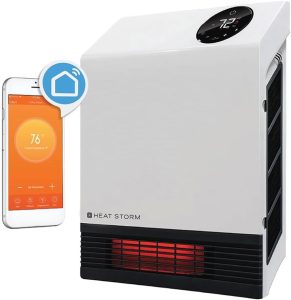
Heat Storm HS-1000-WX-WIFI Infrared Wall Heater
- 1,000W infrared heater with Wi-Fi control
- Wall mounting keeps the floor clear
- Digital thermostat and remote control
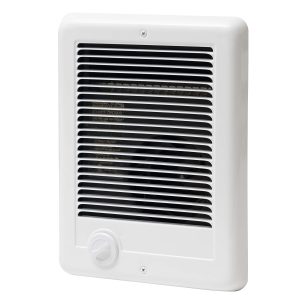
Cadet Com-Pak CSC151TW Electric Wall Heater
- 1,500W, 120V hardwired wall heater
- Recessed installation with wall can and white grille
- Built-in thermostat and high-temperature cutoff
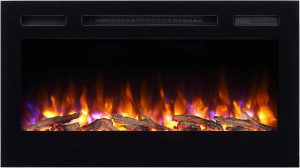
PuraFlame Alice 36-Inch EF275A Electric Fireplace
- Recessed installation; not a surface-mounted heater
- 750W and 1,500W supplemental heat settings
- Flame display can operate without heat
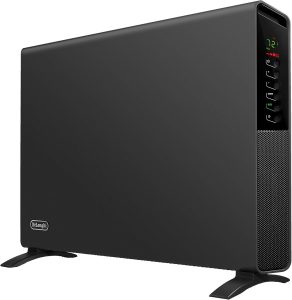
DeLonghi HCX9115E-6A AG Convection Panel Heater
- 1,500W maximum output with digital thermostat
- Freestanding or wall-mounted installation
- ECO mode, timer and optional fan-assisted heating
The Best Types of Electric Wall Heaters: Our Top Picks
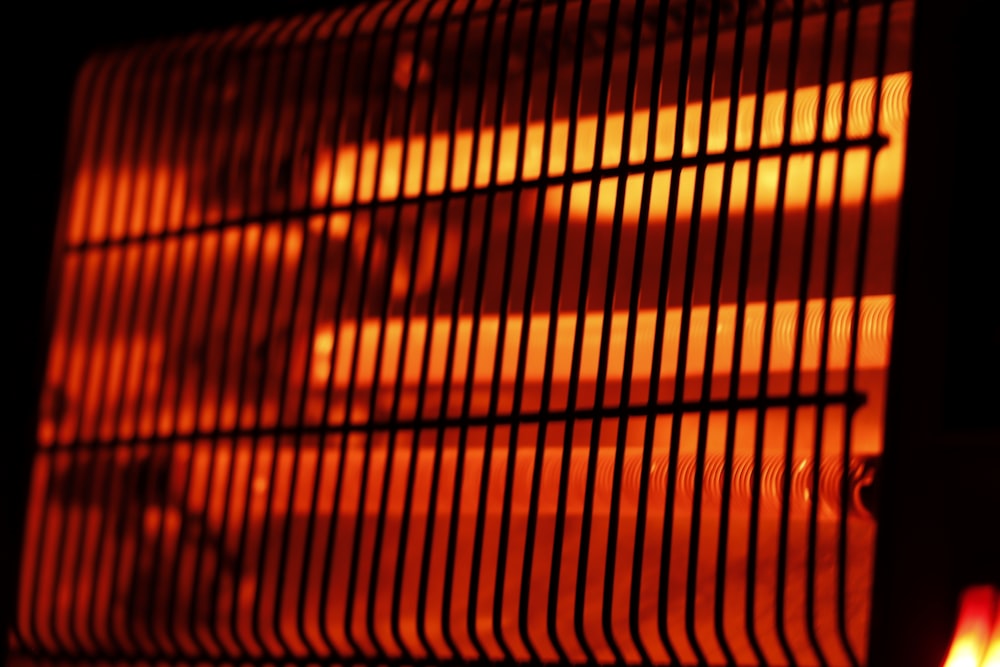
1. Heat Storm Infrared Wall Heater
The Heat Storm HS-1000-WX-WIFI is a 1,000W infrared wall heater with Wi-Fi control, a digital thermostat and a remote. Wall mounting frees up floor space, making it an option for adding heat to a room without a freestanding heater.
Heat Storm HS-1000-WX-WIFI Infrared Wall Heater
- 1,000W infrared heater with Wi-Fi control
- Wall mounting keeps the floor clear
- Digital thermostat and remote control
Its suitability as a primary or supplemental heater depends on room size, insulation and heat loss. Despite the safe-touch grille description, the manual warns that the heater gets hot: follow its clearances and keep combustible materials away.
Pros
- Wall-mounted design
- Wi-Fi and remote controls
- Adjustable digital thermostat
Cons
- Requires a suitable mounting position and outlet; room coverage varies with insulation
2. Cadet Electric Wall Heater
The Cadet Com-Pak CSC151TW is a 1,500W, 120V fan-forced wall heater with a built-in thermostat and high-temperature safety cutoff. It is a permanent hardwired heater, not a portable plug-in model.
Cadet Com-Pak CSC151TW Electric Wall Heater
- 1,500W, 120V hardwired wall heater
- Recessed installation with wall can and white grille
- Built-in thermostat and high-temperature cutoff
This white complete unit includes the heater, wall can and grille for recessed installation. Confirm the circuit, wall opening and manufacturer clearances before installation; do not assume a 240V supply is suitable for this 120V model.
Read: Water heater pressure relief valve stuck open
Pros
- Recessed design saves floor space
- Built-in thermostat
- Heater, wall can and grille included
Cons
- Requires hardwiring and a suitable wall opening
3. PuraFlame Electric Wall Heater
The PuraFlame Alice 36-inch EF275A combines a flame display with supplemental electric heat. This is the 36-inch version, with log and crystal fuel-bed options; choose the size that fits your planned wall opening.
PuraFlame Alice 36-Inch EF275A Electric Fireplace
- Recessed installation; not a surface-mounted heater
- 750W and 1,500W supplemental heat settings
- Flame display can operate without heat
The Alice is designed for recessed installation in a suitable 2×6-stud wall, not surface wall mounting or freestanding use. It provides 750W or 1,500W heat on a 120V supply, and the flame display can operate without heat. Follow the manual for the exact opening, clearances and electrical connection rather than treating it as a simple hang-on-wall appliance.
Read: Effects of electric heater on human body
Pros
- Flame display with or without heat
- Choice of flame and fuel-bed colors
- Touch controls and remote control
Cons
- Requires a suitable recessed opening; intended for supplemental heating
4. Mica Electric Wall Heaters
Micathermic panel heaters use mica around the heating element and provide radiant and convection heat. They are a different category from the fan-assisted convection panel below. Whether a particular model can be wall-mounted must be checked in its instructions.
A fanless mica panel is worth considering when low operating noise matters. Compare its output and mounting instructions with the room before choosing a model.
Read: Do kerosene heaters smell?
5. De’Longhi Convection Electric Wall Heater
The DeLonghi HCX9115E-6A AG is a 1,500W convection panel heater that can stand on its supplied feet or be wall-mounted according to the instructions.
DeLonghi HCX9115E-6A AG Convection Panel Heater
- 1,500W maximum output with digital thermostat
- Freestanding or wall-mounted installation
- ECO mode, timer and optional fan-assisted heating
Digital controls let you set the thermostat, timer and heat level. Its two fans operate in the optional Heating 3 + Fan setting; they do not run in every heating mode. Control is through the heater’s panel, not a supplied remote.
ECO mode adjusts the power level to help maintain the selected temperature. Actual energy use depends on the temperature setting, room conditions and running time.
Pros
- Freestanding or wall-mounted use
- Digital thermostat and timer
- Optional fan-assisted heating
Cons
- No remote control; fan-assisted mode adds fan noise
What You Should Consider When Purchasing Electric Wall Heaters
Type
Electric wall heaters include infrared panels, fan-forced recessed heaters, convection panels and micathermic panels. Electric fireplaces add a flame display and may need a recessed opening. Check whether the exact model is designed for surface mounting, recessing or freestanding use; these installation methods are not interchangeable.
Heating Capacity
Match the heater output to the room’s heat loss, size and insulation. A model intended for supplemental heat should not be assumed to replace the main heating system, and an electric heater will not work during a power outage.
Heat Settings
Power ratings and heat settings vary by model. Check the required voltage, circuit capacity and installation method, as well as whether the heater offers selectable power levels or a thermostat. A 120V heater must not be connected to a 240V supply.
Energy Efficiency
You should always consider whether or not your electric wall heater is energy efficient. Energy efficient models are the best since they help you save energy.
Aesthetic
When shopping for an electric wall heater, think about the function and aesthetics of your home. The best one will offer you both desired looks as well as utility.
Frequently Asked Questions on Wall Heaters
What Are the Different Types of Wall Heaters?
Electric wall-heater options include infrared panels, fan-forced recessed heaters, convection panels, micathermic panels and recessed electric fireplaces. Check the exact model’s mounting requirements before buying.
Are Ceramic Wall Heaters Any Good?
Ceramic fan heaters can provide supplemental room heat. Suitability depends on output, thermostat controls, room heat loss and the installation allowed by the manufacturer; a ceramic element alone does not guarantee lower running costs or safe placement.
It’s essential to consider the factors that will be most important to you when making your purchase of an electric wall heater. Do you need a silent heater? One with a thermostat? Something that can double as a fan?
Once you know what you’re looking for, checking out the different options becomes more effortless. And finally, don’t forget to think about safety.
Compare the model specifications with your room and installation requirements, and follow the manufacturer’s instructions. Have you decided on an electric wall heater yet? If not, hopefully, this post has helped point you in the right direction.
Read: How does a block heater work on a diesel?