
Hot water baseboard heaters are an efficient way to keep your house or office warm during winter. However, dust, grime, and debris can cause trouble, especially when your heater gives an unpleasant odor or noise.
Although you never lack these equipment in many homes, many people don’t know how to maintain them. Today, you’ll learn how to clean hot water baseboard heaters.
Hot-water, or hydronic baseboard, systems circulate heated water through a finned element. Dust can obstruct airflow around the fins, so gentle cleaning is useful. Normal cleaning does not require buying a replacement heater.
In other cases, moisture build-up into the room can cause rusting by degrading the thin coating. And since the heaters are installed inside the room, you wouldn’t imagine the ugly look you come across once you get into the room.
How Hot Water Baseboard Heaters Work
In a piped hot-water system, a separate boiler heats water and a circulator moves it through the heating circuit. The boiler may use different fuel sources; it is not necessarily an electric heating element inside each baseboard.
In many fin-tube baseboards, aluminum fins are attached to copper tubing and transfer heat to the surrounding air. The cooled water returns through the circuit for reheating; check your own model’s construction.
Usually, cool air is dense. When heated, kinetic energy increases in its particles, making it expand.
After expansion, the density decreases, making it easier to float over the cool air. As such, it moves on the room’s ceiling allowing the cold air to move in and gain some heat.
Once the warm air starts cooling down, it increases the density and again moves down, creating a cycle. This mechanism keeps the room warm.
The thermostat senses room temperature and calls for heat through the system’s controls. When that call ends, the boiler, circulator or zone valve responds according to the system design; the baseboard can remain hot while it cools.
Read: Best heater for uninsulated room
How to Clean Hot Water Baseboard Heaters
To efficiently clean your baseboard heater, you need to follow the procedure below keenly;
1. Turn Your Baseboard Heater Off and Remove the covers
The best time to carry out this process is when the heaters are rarely used in summer. However, you can clean it during winter too.
Turn the heating system off using its prescribed controls, prevent it from restarting while you clean, and allow the pipes, fins and covers to cool completely. Do not open electrical compartments or disconnect water fittings for routine cleaning.
Remove only the covers intended to be removable by the user, following the heater’s instructions. Some lift or unclip; others have fasteners. Do not assume every end cap should be pried off or that every cover supports the same way.
Use only the tools specified for your cover’s actual fasteners. Do not pry off a cover or pinch the delicate fins with pliers.
2. Clean Your Baseboard Heater Covers
Baseboard heater covers are usually filled with dust and grime that enters the room. To carry out the cleaning efficiently, you may need to take them outside.
For a cover whose finish permits damp cleaning, wipe it with a soft, lightly damp cloth and dry it before refitting. Do not spray cleaner into the heater or wet electrical controls.
3. Clean Your Heater Radiator
The radiator is the most crucial part of the heater and needs a lot of skills to clean. As that’s the case, you’ll need skills on how to clean between radiator fins. The fins are very fragile. And handling them with some force may lead to breakage.
If fins are badly crushed, the tube is leaking or the supports are damaged, stop and have the unit assessed. Dust or a few bent fins alone is not a reason to buy an entire replacement heater.
Gently remove loose dust from between the cooled fins with a soft brush, taking care not to bend them. Persistent noise or odor should not automatically be blamed on dust; arrange service if cleaning does not resolve it.
Avoid straightening fins with pliers as a general cleaning step. If damaged fins need attention, follow the heater manufacturer’s method or have a heating technician assess them.
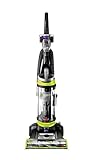
Use a vacuum cleaner with a compatible soft dusting brush on its hose to collect loose, dry dust. Keep the upright floor brush and rotating pet tools away from the fins, and never use an ordinary dry vacuum on water from a leak.
4. Inspect the Heater for Rust
High moisture in the room can slowly degrade the heater’s overcoat. Once the metal surface is exposed, rust forms and may fast spread if not treated.
Separate surface rust on a removable metal cover from corrosion or leaks in the water-carrying parts. A leaking or badly corroded component needs professional assessment, not cosmetic paint.
For minor rust on a removable enclosure, use only the surface preparation allowed by its manufacturer. Do not sand unfamiliar old coatings without first checking whether hazardous paint precautions are needed.
Choose a coating approved for that enclosure and follow its preparation, ventilation and curing instructions. A generic high-heat spray or brand recommendation is not suitable for every finish.
Keep sanding debris and paint off the heat-transfer fins, piping joints and controls. Do not paint the internal heating element as part of routine cover cleaning.
5. Replace the Covers
Refit the covers and end caps as directed, with the correct retaining parts in place. Replace missing or damaged hardware with approved parts; do not drill or force substitute screws near the tubing.
6. Clean the Exterior Surfaces
The final process is wiping the exterior surfaces with a microfiber cloth. The final cleaning is carried out to remove some dust that might have flown from the inner components when vacuuming.
Once everything is dry, the covers are correctly refitted and tools are removed, restore heat according to the system’s instructions. Check for normal operation; shut it down and seek service if you notice a leak, persistent unusual odor or other fault.
Hot Water Baseboard Heaters Preventive Maintenance
- Regularly dust and vacuum the room for better baseboard heaters functionality.
- Regularly clean your baseboard heater. Many homeowners clean before and after the winter seasons.
- Ensure no furniture, toys, floor mats, or other objects near the heater for better air circulation.
- Keep curtains clear by the distance required for your exact heater and installation. Do not use a universal five-inch rule.
FAQs on Cleaning Baseboard Heaters
Are Hot Water Baseboard Heaters a Fire Hazard?
Hot-water pipes and fins can cause burns, and nearby objects must meet the heater’s clearance requirements. A front cover is not a leak-proof shield. If water leaks, stop using the affected system and arrange qualified repair; do not rely on cleaning or the cover to make it safe.
Can Baseboard Heat Make You Sick?
Irritation or discomfort does not by itself diagnose a faulty thermostat. Keep the heater clean, use an appropriate room temperature and have persistent overheating or unusual odors checked. Do not assume cleaning fixes an underlying heating-system fault.
Can I Put a Bed in Front of a Baseboard Heater?
Keep the bed, bedding and other furnishings clear of the heater’s air path and maintain the distances specified for that model. A blanket 12-inch rule is not a substitute for its installation instructions.